


What Is Swedish Massage, and Who Is It Best For?

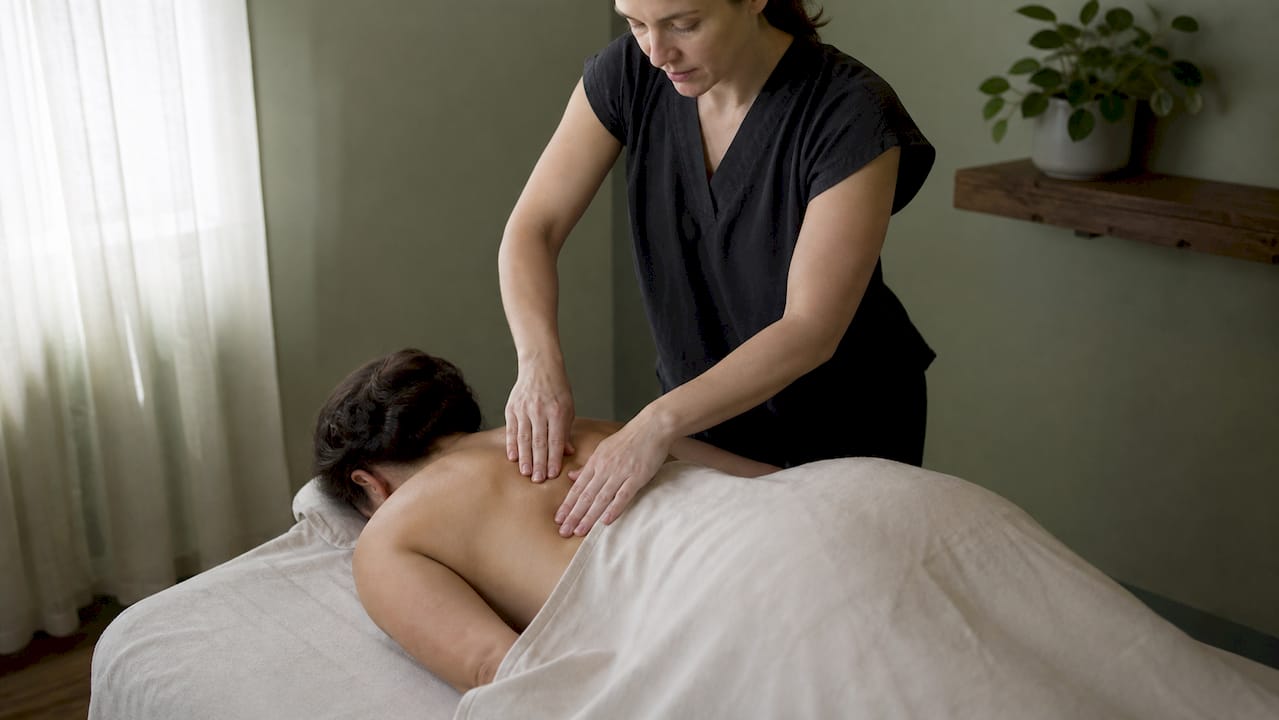
Swedish massage is a full-body technique built on long, gliding strokes and light-to-medium pressure designed to relax muscles, improve circulation, and calm the nervous system. It’s the technique most therapists teach first, which makes it the safest starting point for first-timers, stressed-out professionals, and anyone who wants tension relief without deep, targeted pressure. A qualified therapist should screen you for health conditions before the session begins.
TL;DR:
Swedish massage provides short-term reductions in blood pressure, heart rate, and anxiety, but lasting benefits typically require multiple sessions.
Light to medium pressure therapy targets superficial muscles with core strokes such as effleurage, petrissage, friction, tapotement, and vibration.
Contraindications include recent injuries, blood clots, active cancer, fractures, or pregnancy, which require customized screening and adjustments.
Proper preparation involves arriving early, communicating your goals, and drinking water afterward to maximize relaxation and comfort.
Personalized sessions focus on individual needs rather than fixed routines, making professional guidance essential for effective tension relief.
Table of Contents
What Is Swedish Massage and How Does It Differ From Other Styles?
Swedish massage got its name from its association with early European massage instruction, though its modern form is shaped by decades of Western clinical practice. The goal is straightforward: warm the tissue, move fluid through the body, and shift the nervous system out of fight-or-flight mode. Strokes generally flow toward the heart to support circulation and lymphatic movement.
It’s the foundational technique taught in most massage therapy programs, which is why nearly every therapist can perform it well and why it’s often the default choice for a first appointment. Five core strokes define the method:
Effleurage — long, sweeping glides that open and close the session
Petrissage — kneading motions that lift and squeeze muscle tissue
Friction — small, targeted movements against the grain of the muscle
Tapotement — light rhythmic tapping or chopping
Vibration — fine shaking movements applied with fingertips or palms
Unlike sports massage or myofascial work, Swedish massage stays mostly on superficial muscle layers rather than digging into deep connective tissue.
What Do Swedish Massage Techniques Actually Feel Like?
Knowing the names of the strokes doesn’t tell you much until you feel them. Here’s what each one is doing and why a therapist reaches for it.
Effleurage feels like a slow, smooth glide, often the first and last thing you feel in a session. It warms the muscle and sets the pace for everything after it. Petrissage feels more like kneading dough. Therapists lift and roll the muscle between their hands, which helps release surface tension and improve blood flow. Friction is more focused: small, firm circles or back-and-forth pressure over a specific spot, usually where tension has built up. Tapotement shows up as light tapping, cupping, or chopping motions, often used briefly to stimulate an area or signal a transition. Vibration is a fine, rapid shaking, frequently applied near joints or along the spine to loosen tight tissue without heavy pressure.
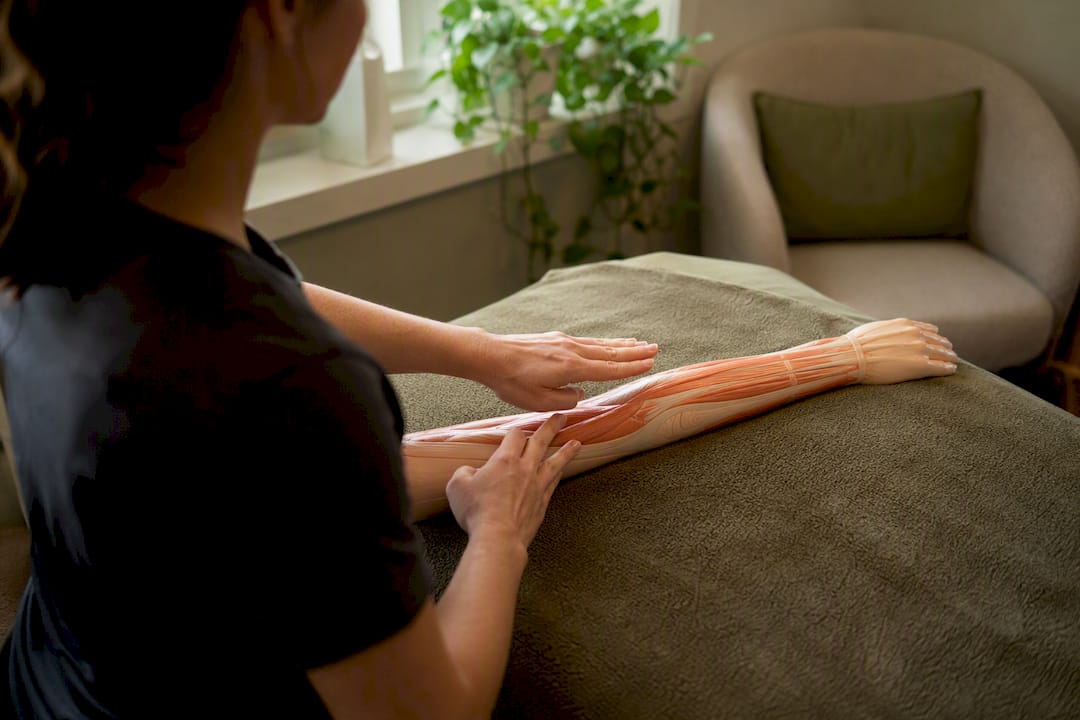
Clinical comparisons of these Swedish massage techniques on vital signs and anxiety confirm that all five are still the standard toolkit used across most Swedish sessions today.
Pro Tip: Speak up the moment pressure feels wrong, not just at the end. A simple “lighter, please” or “a little more here” takes two seconds and makes the rest of the session far more effective.
What Benefits Does Research Actually Support?
The evidence for Swedish massage is real, but it’s also modest and short-term rather than dramatic and permanent. A single session has been shown to produce measurable drops in systolic blood pressure, heart rate, and respiratory rate, along with small-to-moderate shifts in immune markers. The researchers behind that work are careful to note that effect sizes vary between studies and call for larger trials before anyone treats these numbers as guaranteed outcomes.
What you can more reliably count on:
Lower reported anxiety and a calmer subjective state during and after the session
Better perceived sleep quality in the days following treatment
Immediate muscle relaxation, especially in commonly tight areas like the neck, shoulders, and lower back
Mild soreness for 24 to 48 hours in some clients, which is a normal response rather than a warning sign
Separate clinical work on Swedish techniques found reductions in anxiety alongside measurable vital sign changes, reinforcing that the psychological and physiological benefits tend to move together. If you’re curious how these effects add up over repeated sessions, this breakdown of how massage therapy supports recovery and mobility covers what changes with consistency rather than a single visit.
What Happens During a Typical Swedish Massage Session?
Sessions follow a predictable rhythm, which is part of why Swedish massage feels approachable even if you’ve never had bodywork done before.
Intake and health screening. You’ll fill out a short health history form and talk through any problem areas, injuries, or goals for the session.
Positioning and draping. You lie on a padded table under a sheet or towel; only the area being worked on is uncovered at any time.
Warm-up strokes. The therapist opens with effleurage to warm the tissue and gauge how your muscles respond to touch.
Targeted work. Petrissage, friction, and occasional tapotement or vibration address tighter areas, guided by your pressure preference.
Closing strokes. The session ends the way it began, with slow, light effleurage that signals the body to shift back to a normal state.
Aftercare. Sessions typically run 60 to 90 minutes; expect to feel relaxed, possibly a little sleepy, and occasionally lightheaded if you stand up too fast.
Curious which areas usually get the most attention? This guide to areas to target during a massage breaks down where therapists tend to focus and why.
Swedish vs. Deep Tissue Massage: How Do You Choose?
The two styles solve different problems, and picking the wrong one for your goal is the most common mistake first-time clients make. Swedish massage aims for relaxation, circulation, and general tension relief using lighter, flowing strokes. Deep tissue massage targets specific adhesions and chronic tightness in deeper muscle layers using slower, firmer pressure.
Choose Swedish if: you’re new to massage, want stress relief, or you’re not dealing with a specific problem area
Choose deep tissue if: you have a known chronic tight spot or need targeted work on deeper adhesions
Pressure difference: Swedish stays light to medium; deep tissue applies sustained, firm pressure that can feel intense
Safety note: always tell your therapist if firm pressure feels like too much. Discomfort should never cross into sharp pain.
A comparison from the Swedish Institute notes that Swedish massage works superficial muscle layers while deep tissue reaches deeper structures, which is the clearest way to think about the distinction.
Are There Contraindications for Swedish Massage?
Massage is safe for most people, but a good therapist will screen for a short list of conditions before starting. This isn’t bureaucratic caution. Certain situations genuinely change how a session should be handled.
Recent surgery or fresh injuries
Active blood-clot risk or a history of deep vein thrombosis
Ongoing cancer treatment
Fractures or unhealed bone injuries
Pregnancy, which may call for adjusted positioning rather than cancellation
Mild soreness or fatigue after a session is normal. Sharp pain, unusual swelling, or symptoms that worsen instead of easing over a day or two are not, and deserve a conversation with a medical provider rather than another massage.
Pro Tip: Never assume your therapist already knows about a recent surgery or medication change. Mention it at intake every single time, even if you’ve been going to the same clinic for years.
Before booking anywhere, confirm the therapist is licensed and ask how they screen new clients. It’s a fair question, and a professional practice will answer it without hesitation.
How Should You Prepare for a Swedish Massage?
A little preparation makes the session more comfortable and the results more noticeable.
Wear whatever you’re comfortable removing to your own preference; draping keeps you covered throughout
Arrive 10 to 15 minutes early to fill out intake paperwork without rushing
Tell the therapist your specific goals: relaxation, a tight neck, general stress relief
Drink water afterward and move gently for the rest of the day rather than jumping into intense exercise
Expect possible mild soreness for a day or two, which usually fades on its own
Slow, deliberate movement when you get off the table also helps. Massage often shifts the body into a more relaxed nervous system state, and standing up too quickly can bring on brief lightheadedness.
How Intuitive Balance Massage Approaches Swedish Massage in Raleigh
Intuitive Balance Massage, located in a historic building in Downtown Raleigh, builds every Swedish session around the individual rather than a fixed script. Therapists screen for health history and contraindications before adjusting pressure, stroke selection, and focus areas to match what the client actually needs that day. Sessions serve urban professionals, students, athletes, and residents across Raleigh and Cary who want relief from everyday tension. New clients can book through the Intuitive Balance Massage services page and take advantage of the $60 introductory rate.
What Swedish Massage Gets Right, and Where the Hype Overshoots It
The research on Swedish massage is genuinely encouraging, but it’s also more modest than most marketing suggests. A single session can lower blood pressure and heart rate and ease anxiety in measurable ways. It won’t permanently dissolve a chronic knot in one visit, and anyone promising that is overselling what the technique does. Systematic reviews of massage research are blunt about this: short-term benefits are well documented, but lasting structural change usually takes repeated sessions, not a single hour on the table.
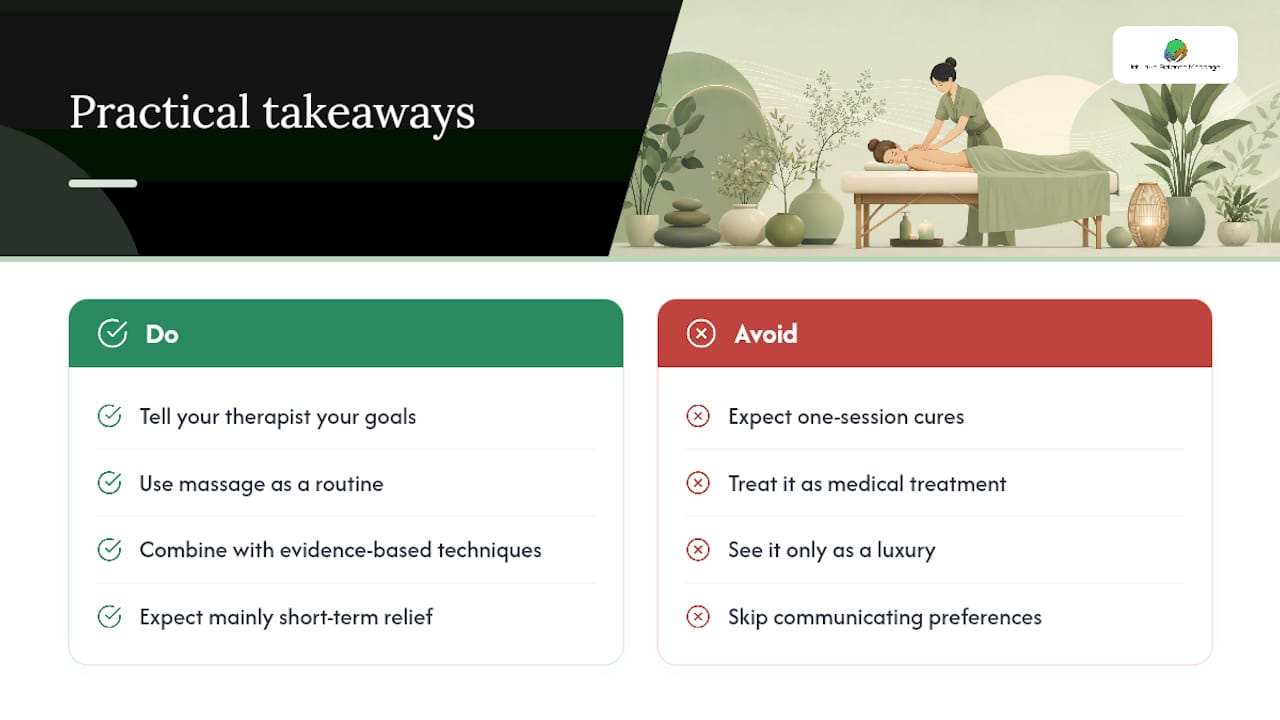
Where conventional advice falls short is treating Swedish massage as either a luxury indulgence or a medical treatment. It’s neither. It’s a legitimate tool for managing everyday stress and muscle tension, most useful when you treat it as part of a routine rather than a one-time fix. If you’re weighing it against other stress-relief options, pairing it with evidence-based stress relief techniques tends to compound the benefit more than relying on massage alone.
What should you prioritize first? Communication. The single biggest factor in how much you get out of a session isn’t the technique menu. It’s whether you tell your therapist what you actually want.
— John
Book a Customized Swedish Massage in Raleigh
Intuitive Balance Massage is the local alternative to guesswork booking: instead of a generic one-size-fits-all session, you get pressure, stroke selection, and focus areas adjusted specifically to your tension patterns and goals, decided during intake, not guessed at. That fits Raleigh professionals dealing with desk-related shoulder tension, students juggling stress near NC State, and anyone who wants a calm, private setting instead of a crowded spa floor. The clinic’s downtown studio offers exactly that kind of intimate, appointment-based environment.
New clients can book a session and use the $60 introductory rate to try a customized Swedish massage firsthand. Ready to see what personalized pressure and technique selection actually feels like? Book your session with Intuitive Balance Massage and get matched with a session built around your goals, not a script.
Sources
FAQ
What is the difference between Swedish massage and regular massage?
“Regular massage” usually just means Swedish massage, since it’s the foundational technique most therapists default to. If someone says “deep tissue” instead, that’s a firmer-pressure style aimed at deeper muscle layers rather than general relaxation.
What does a full body Swedish massage include?
A full-body session typically covers the back, legs, arms, neck, shoulders, and scalp using effleurage, petrissage, friction, tapotement, and vibration, with draping used throughout to keep only the worked area exposed.
Do you wear clothes during a Swedish massage?
You undress to your own comfort level, and a sheet or towel drapes the rest of your body throughout the session so only the area being worked on is ever uncovered.
Will a Swedish massage get knots out?
It can ease temporary tightness and reduce discomfort in the moment, but research on massage effects shows a single session rarely resolves chronic knots permanently. Multiple sessions, or a firmer technique like deep tissue, are usually needed for lasting change.


Comments