


Massage for Muscle Knots in Raleigh, NC: What Actually Helps

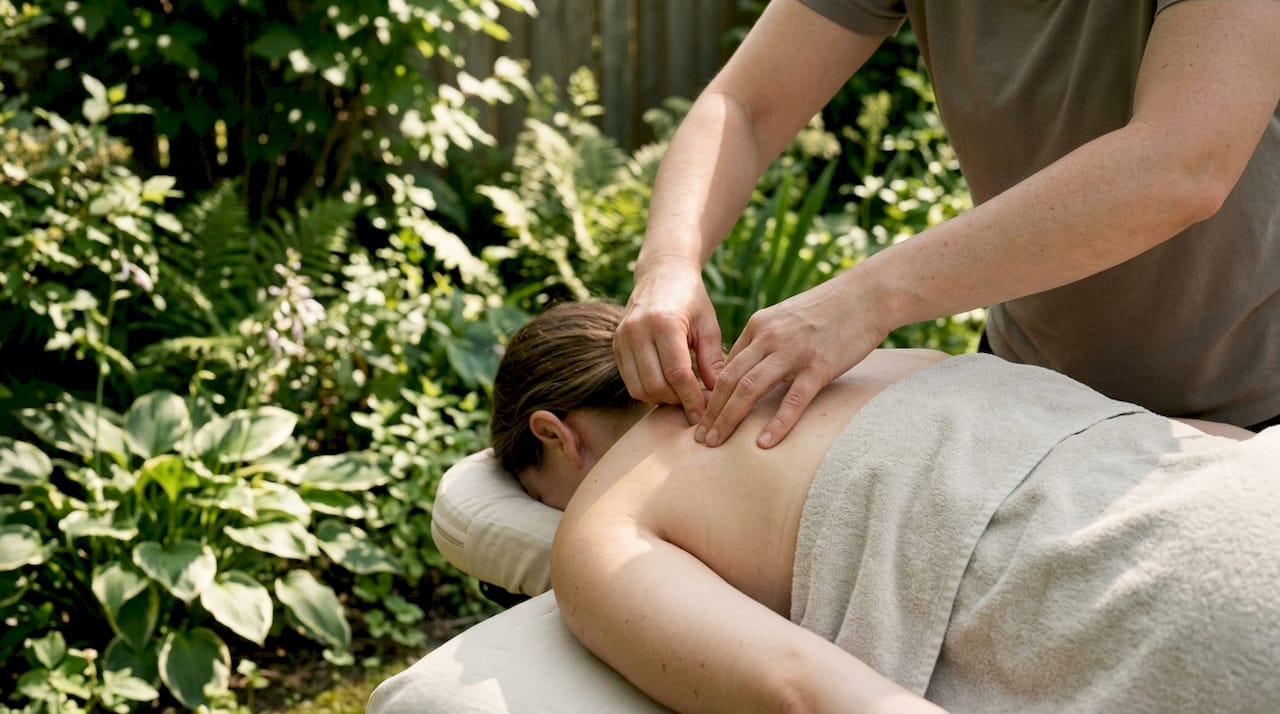
Massage relieves the pain of a muscle knot for most people, often within one session, but lasting relief depends on treating what caused it. Clinical guidelines from the International Association for the Study of Pain list massage and pressure release as first-line treatment for these trigger points, and the American Academy of Family Physicians backs that up, reserving injections and dry needling for cases that do not respond.
Here is what to do right now:
Press firmly into the tender spot for up to 90 seconds, ease off, and repeat enough to massage the area for several minutes total.
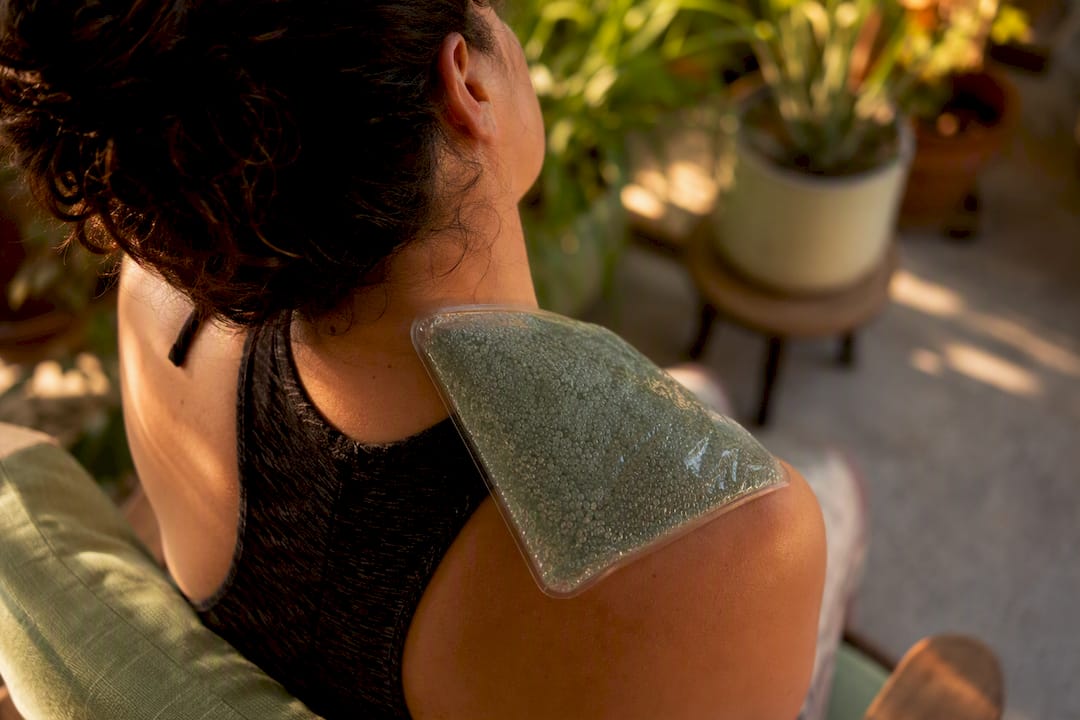
Apply heat before or after to loosen the surrounding tissue.
Stop immediately if you feel sharp, shooting, or electric pain, or numbness. That is not a knot.
If the ache has lingered for more than a week or keeps coming back, book a session with Intuitivebalancemassage in downtown Raleigh. A trained hand finds what your thumbs miss.
Key Takeaways
Massage relieves muscle knot pain effectively as a first-line treatment, but lasting results require pairing it with ergonomic and lifestyle changes.
Point | Details |
Self-massage protocol | Apply firm pressure for a sustained period, repeating for several minutes total per spot. |
Know the stop signs | Sharp, shooting pain or numbness means stop self-treatment and see a therapist. |
Therapists add precision | Trained palpation finds taut bands and referred pain patterns that self-massage often misses. |
Prevention beats repeat massages | Ergonomic fixes and stretching stop knots from relapsing, unlike massage alone. |
Book locally when it lingers | Intuitive balance massage offers targeted sessions in downtown Raleigh, with affordable introductory rates. |
Table of Contents
Muscle Knot Massage Techniques You Can Try at Home
Before you dig in, find the spot correctly. Run your fingertips slowly across the muscle, perpendicular to the fibers, until you feel a firm, rope-like band with a distinct tender point inside it. That is the trigger point. Pressing it should reproduce some of your familiar ache, sometimes even radiating to another area, which is the referred pain pattern doctors use to define these nodules.
Locate the tender nodule inside the taut band using slow, perpendicular fingertip sweeps.
Apply firm, steady pressure directly on the spot with your thumb, a knuckle, or a massage ball.
Hold for a sustained period, breathing normally, until you feel the tension ease slightly.
Release, rest for a few seconds, and repeat two or three more times, totaling 3 to 5 minutes per spot.
Follow with gentle stretching of the muscle you just worked.
Different tools suit different spots. Thumbs and fingertips give you the most control for small areas like the neck and shoulders. A lacrosse ball or dense massage ball against a wall works well on the upper back and glutes, where your hands cannot reach with enough force. A foam roller is better for broader areas like the quads and lats rather than pinpoint knots.
Massage guns deserve caution. Start on the lowest setting, use short 15 to 20 second bursts, and never run one directly over bone, a joint, or anywhere you feel tingling or numbness. This aligns with general caution Cleveland Clinic gives on percussive tools for muscle knot relief.

Skip self-massage over bruises, open skin, varicose veins, or anywhere with shooting nerve pain. If pressure ever causes symptoms to spread down an arm or leg, stop and let a professional take over.
Pro Tip: Drink water after a firm-pressure session. Clients at our Raleigh studio consistently report less next-day soreness when they hydrate well and keep repeat sessions to once or twice daily on the same spot, never back to back.
What Happens During a Professional Trigger-Point Session?
A therapist trained in trigger-point work starts with palpation, feeling along the muscle for the taut band and asking where the pain travels when they press. That assessment shapes everything that follows.
From there, a session typically layers a few techniques depending on what your tissue needs:
Ischemic compression applies sustained direct pressure on the trigger point itself, similar to the self-massage method but with more precise placement and pressure calibrated to your tolerance.
Deep tissue massage uses slow, firm strokes to work through multiple layers of muscle, useful when tension has built up over weeks or months rather than days.
Myofascial release targets the connective tissue wrapping the muscle, often helpful when tightness spans a broad area rather than one isolated spot.
Sports massage blends compression with stretching and is common for athletes managing recurring tightness from training load.
Most sessions end with a few minutes of guidance on posture, stretching, or a home exercise to keep the knot from reforming, which matters more than the massage itself for people who sit at a desk all day.
The evidence backing this approach is solid, if not absolute. A randomized controlled trial tracking 150 athletes through bi-weekly 40-minute deep tissue sessions over eight weeks found measurable gains in flexibility and recovery, particularly around the lumbar spine, knees, and shoulders. That is a specific, structured protocol, not a one-off rubdown.
Manual therapies including massage and pressure-release techniques carry moderately strong evidence for immediate pain relief from myofascial trigger points, and clinical bodies list them as the appropriate first-line, less invasive option before anything more aggressive.
Invasive procedures like dry needling or trigger-point injections stay on the table for cases that do not respond to weeks of conservative care, not as a starting point.
How Do You Stop Muscle Knots From Coming Back?
Massage handles the symptom. Preventing the next knot means fixing whatever created the tension in the first place, whether that is your desk chair, your training volume, or how you sleep with your phone.
Build these habits into your week:
Stretch the muscles you strain most, holding each stretch 20 to 30 seconds, once or twice daily.
Set your monitor at eye level and your chair so your forearms rest flat, cutting shoulder and neck strain.
Avoid sleeping with your phone propped against your neck or shoulder.
Add progressive strength work for the muscles around a chronically tight area, since weak stabilizers often force neighboring muscles to overwork.
Stay hydrated and eat enough protein, both of which support muscle tissue recovery.
A simple two-week plan works for most Raleigh clients dealing with a stubborn knot:
Self-massage and stretch the area for 5 to 10 minutes daily for the first week.
Book one targeted session with a Raleigh massage therapist around day 7 to 10 for a proper assessment and deeper treatment. Intuitivebalancemassage’s services cover this kind of targeted work.
Continue daily self-care through week two and reassess. Add physical therapy if the knot has not eased significantly.
Myofascial pain has a real tendency to relapse. Removing the trigger, whether it is a bad chair or chronic stress, matters more than any single massage.
Clinic Perspective: What We See Working for Raleigh Clients
Most people who walk into our downtown Raleigh studio point to the same two or three spots: upper traps, lower back, or between the shoulder blades. What actually helps is rarely one technique alone. We blend deep tissue work on the surrounding muscle with direct trigger-point compression on the knot itself, then send clients home with one or two simple stretches. Intuitive balance massage specializes in deep tissue, sports, and therapeutic massage from our historic downtown location, and new clients can start with an introductory rate. If a spot has bothered you for more than a week, book a session rather than keep pressing on it alone.
Ready to Book a Targeted Massage in Raleigh?
If you have been pressing on the same knot for days with only partial relief, a therapist’s hands will find what your thumbs cannot reach. A 60-minute targeted session at Intuitive balance massage starts with the same palpation a clinician would use: locating the taut band, testing referred pain, and mapping out which muscles are compensating around it.
Choosing a massage Raleigh provider comes down to a few things worth checking before you book: how much experience the therapist has with trigger-point and deep tissue work specifically, whether the studio is easy to reach from downtown or NC State, and how flexible their scheduling is around a workday. Intuitive balance massage sits in a historic building in downtown Raleigh, runs by appointment, and keeps each session tailored to what you actually need rather than a fixed script. New clients can start with a $60 introductory rate to try a targeted session before committing to ongoing care. Visit the Raleigh services page to see appointment times and book online, or call the studio directly to get on the schedule this week.
Sources
This article is general information, not a substitute for advice from a qualified doctor. Consult a qualified healthcare professional about your own circumstances before acting on anything here.
FAQ
Can Muscle Knots Be Massaged Out?
Massage often reduces the pain and tightness of a muscle knot significantly, and sometimes resolves it completely, though deep or chronic knots may need repeated professional sessions rather than a single self-massage attempt.
What Can Be Mistaken for a Muscle Knot?
Nerve impingement, muscle strains, cysts, and even referred pain from a spinal disc issue can feel similar to a knot; sharp, shooting, or numb sensations point away from a simple trigger point and toward something that needs a clinician’s evaluation.
What Is the Fastest Way to Release a Muscle Knot?
Firm, sustained pressure held for up to 90 seconds and repeated over 3 to 5 minutes, paired with heat, brings the fastest relief for most people, according to guidance from the Cleveland Clinic.
Do Muscle Knots Eventually Go Away On Their Own?
Some mild, latent knots ease without treatment, but persistent ones tend to linger or return, especially when the underlying cause, like poor posture or repetitive strain, never gets addressed.


Comments